





What Does CPTPP Stand For? | CPTPP FAQ
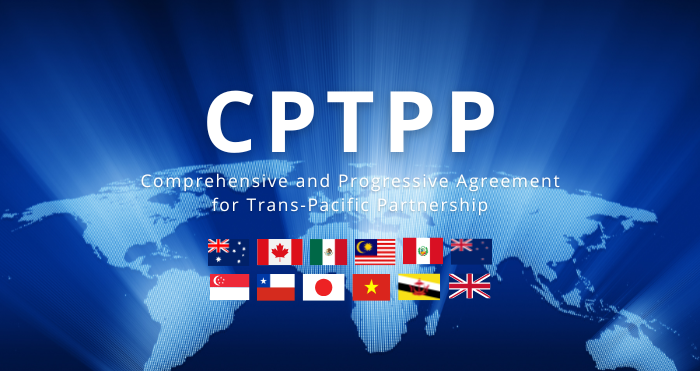
CPTPP is the Comprehensive and Progressive Agreement for Trans-Pacific Partnership (CPTPP), and it is one of the most significant free trade agreements in the world, with 11 original signing members in the bloc.
CPTPP Countries / Members
- Canada, Mexico, Peru, and Chile from the Americas
- Japan, Vietnam, Malaysia, Singapore, and Brunei from Asia
- Australia and New Zealand from Oceania
The trade agreement has recently made news due to its evolving membership. While the UK was initially unable to join because it was an EU member state, Brexit paved the way for the UK to enter into new trade negotiations. As of September 1, 2026, the UK officially finalized its entry as a full member, bringing the total number of participant nations to 12 and expanding this trading bloc's global economic reach.
But what is a ‘free trade agreement (FTA)’, and what does it actually mean for the businesses in Canada? Furthermore, how does the UK’s new inclusion in this FTA create new opportunities for Canadian importers?
And, of course, in the end, how can PCB help your business make the most of this new opportunity? In this blog post, we’ll cover what you need to know to make the most of this new international trade addition.
What are the Benefits of CPTPP?
The CPTPP is a free trade agreement between a host of Pacific and oceanic countries, and like all FTAs, it is an agreement with the goal of eliminating or greatly reducing trade barriers, like tariffs. However, the CPTPP stands apart from other similar agreements in that it is considered a ‘high standard’ pact. That means its mandate is more robust than a typical FTA in that its primary goal is to facilitate more economic cooperation between member nations, rather than simply offer cost savings on imported goods. It also means that every nation needs to negotiate the terms of the agreement with each other member, which was in part related to the UK’s delay in acceding to the agreement.
For Canadian businesses in particular, the agreement is intended to:
- Encourage competitiveness
- Expand access to new clients worldwide
- Increase trade stability
- And, of course, continue to reduce trade barriers for member nations
It’s a remarkable achievement and a golden opportunity for businesses looking to make inroads in Europe, Asia, New Zealand, or Australia, and one of over 15 agreements across the globe that Canada is a member of, including agreements with the US, Mexico, the EU, Panama, Costa Rica, and more.
What does CPTPP do?
The agreement covers a range of topics, including tariff and duty reductions. These additional provisions include considerations for:
- Government procurements
- Rules of origin
- Trade in services and labour mobility
- Customs Administration and Trade Facilitation
- Investment
- Intellectual property
- And inclusive trade, which essentially speaks to Canada’s commitment to ensuring that the benefits of trade are more widely shared with underrepresented groups.
It’s an expansive, collaborative approach to trade intended to bring countries together along several useful axes.
Where Can I find the CPTPP?
You can find complete information about the CPTPP on the CPTPP website, and the full text of the CPTPP agreement itself is available here.
How Can PCB Help?
Like all FTAs, CPTPP affects Canadian Businesses by presenting new opportunities, but knowing what to look for and how to best take advantage can be difficult. Working with a trade advisor, like the ones we have here at PCB, can give you the benefit of both a bird's-eye view of how your business may be able to thrive in a foreign market while also providing keen insights into specific elements of the agreement itself.
With the help of our team, you may be able to help point out elements of the agreement that will benefit your business specifically, and then provide the vital next steps to best take advantage.
You are encouraged to investigate our Free Trade Agreement Review, along with all of our Trade Advisory Services, to see how PCB can help you with this and all your international trade efforts.
When you are ready, get in touch, and we’ll be happy to get started.